Interior walls and ceilings
Define rooms, colors, sheen transitions, visible repairs, protection requirements, and where ceilings or connected walls should continue.
 RoadrunnerRemodeling
Abilene, Texas / Painting
Roadrunner approaches painting as part of the finished construction system—preparation, repair boundaries, product compatibility, clean transitions, and coordination with the remodeling or exterior work around it—not simply a new color on top.
Paint makes every joint, patch, edge, and change of material more visible. That is why the useful scope discussion begins with surface condition and preparation—not a color chip alone.
Roadrunner's strongest painting position is coordinated work: finishes that follow drywall or trim changes, complete a room remodel, refresh connected interiors, or integrate with siding and exterior repairs under one project plan.
02 / What to consider
Specific coatings and preparation steps depend on substrate, condition, exposure, existing finish, and the selected product. They are verified for the actual project.
Define rooms, colors, sheen transitions, visible repairs, protection requirements, and where ceilings or connected walls should continue.
Account for substrate, existing coating, profile detail, hardware, gaps, repairs, preparation, and the relationship to walls and cabinetry.
Review exposure, access, substrate condition, failing areas, adjacent siding and trim work, sealant locations, and product requirements.
Sequence paint after the construction stages that could damage it while identifying primer, touchup, or intermediate coating needs earlier.
03 / Plan with context
A meaningful proposal distinguishes protection, cleaning, scraping, sanding, patching, caulk or sealant work, spot priming, full priming, and finish coats where each applies. Not every surface needs the same treatment, and not every underlying condition can be corrected by paint.
Exterior timing must also account for product requirements and field conditions. Current manufacturer instructions—not a blanket temperature or cure-time claim—should guide application.
Identify sheen, adhesion concerns, stains, chalking, peeling, moisture-related signs, and compatibility questions before selecting the new system.
Plan room use, furniture, floors, landscaping, fixtures, household members, pets, and safe access around the work zone.
Review samples in the actual light and consider maintenance, touchups, surface condition, and how adjacent rooms or exterior materials relate.
04 / Real work
Until a dedicated painting set is approved, Roadrunner uses real finished-room and active-construction photography only as broader project context. It is not labeled as a painting case study.
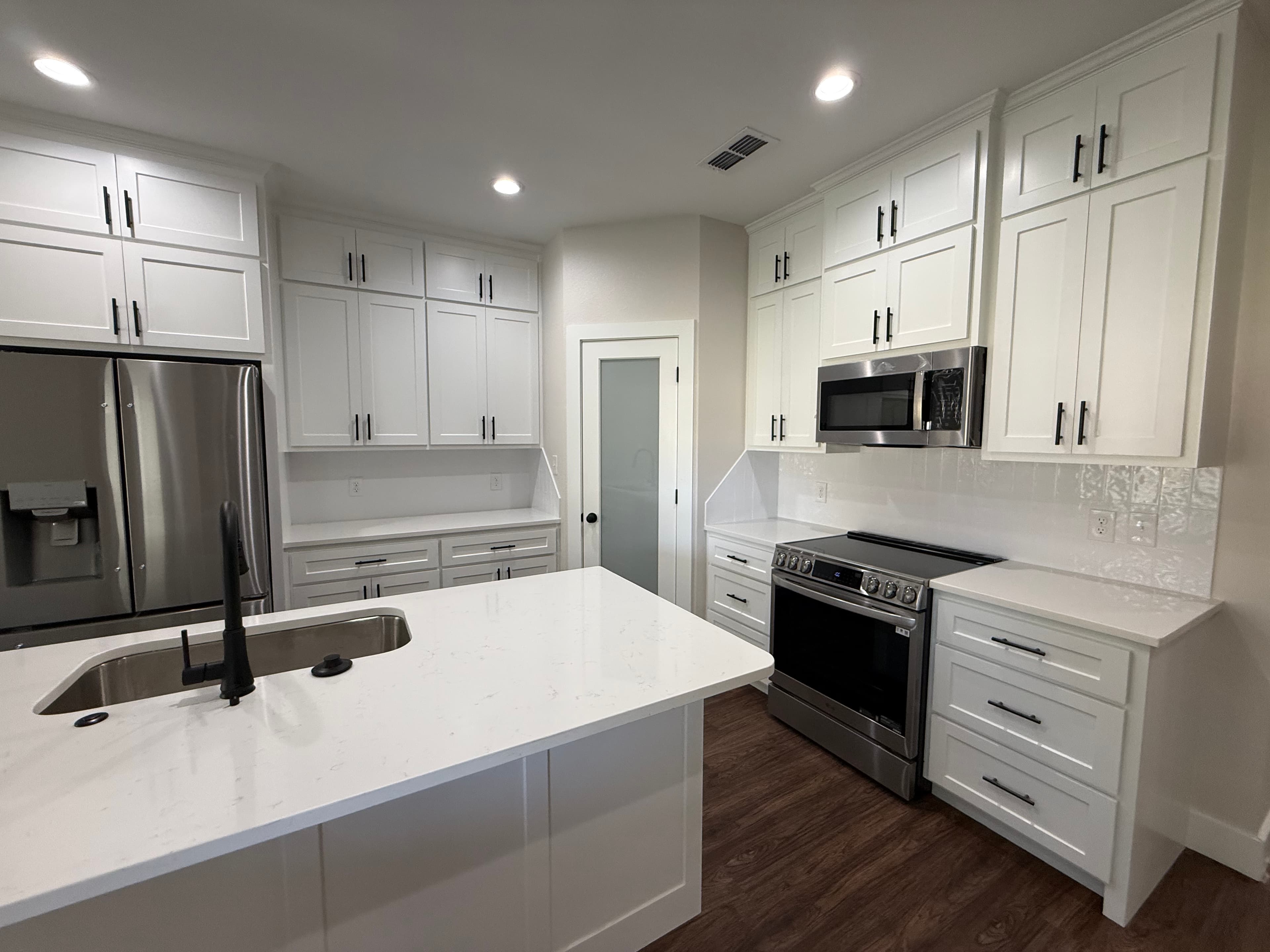
Finished kitchen and island from Roadrunner's real project library.
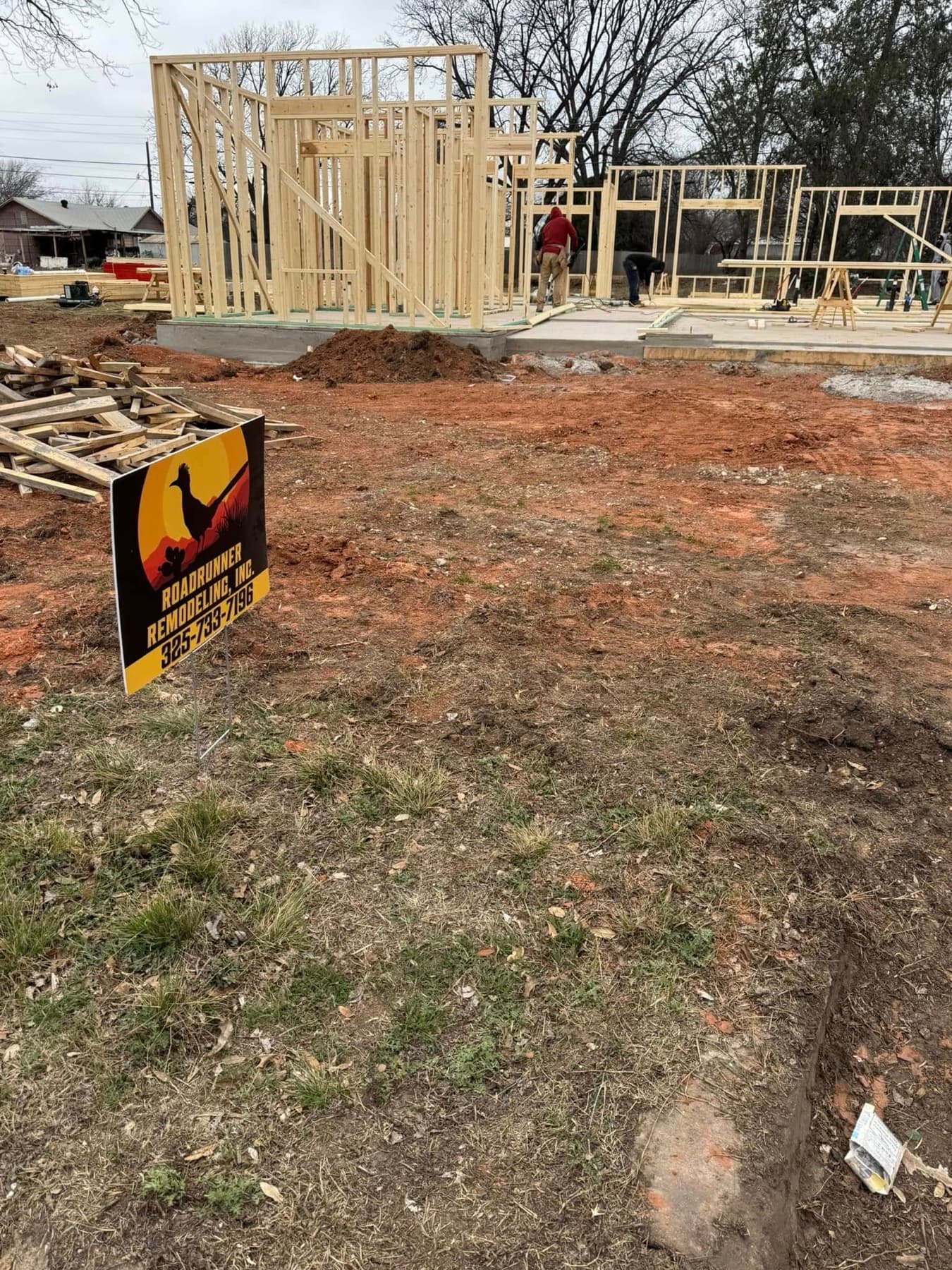
Real Roadrunner construction in progress, documented at the framing stage.
05 / Roadrunner route
The actual preparation and coating system is documented for the selected surfaces. Roadrunner confirms whether painting is a standalone scope or part of a broader remodel.
Walk the spaces or elevations, identify visible conditions, and define what is included, excluded, repaired, protected, and coated.
Record approved colors, sheen, product system, samples where used, and how different materials and rooms transition.
Protect the work area, complete the specified preparation, and apply the agreed coating system in the appropriate sequence.
Walk the finished areas, review coverage and edges, identify agreed touchups, and confirm cleanup of the work zone.
06 / Homeowner questions
Questions that make painting proposals easier to compare.
It should be stated by surface and condition. Ask which protection, cleaning, scraping, sanding, patching, caulking, priming, and repair tasks are included and which conditions require separate work.
Painting can be discussed as part of a connected remodeling scope. Including it early helps coordinate wall repairs, trim, cabinetry interfaces, finish transitions, and the best point in the schedule.
Coverage depends on substrate, existing and new colors, sheen, condition, repairs, primer needs, product, and application. The agreed coating system should be documented for the actual surfaces.
View representative samples on the actual surface or a movable sample board in daylight and artificial light. Compare the color with flooring, cabinets, counters, fixed exterior materials, and nearby rooms.
Access, preparation, repairs, surface moisture, weather, temperature, direct sun, wind, product requirements, and the number and complexity of surfaces can all affect sequencing.
Roadrunner Remodeling / Abilene, Texas
Tell Roadrunner which rooms or elevations need attention, what condition they are in, and whether painting connects to other repair or remodeling work.